Kite-Node
Kite Node
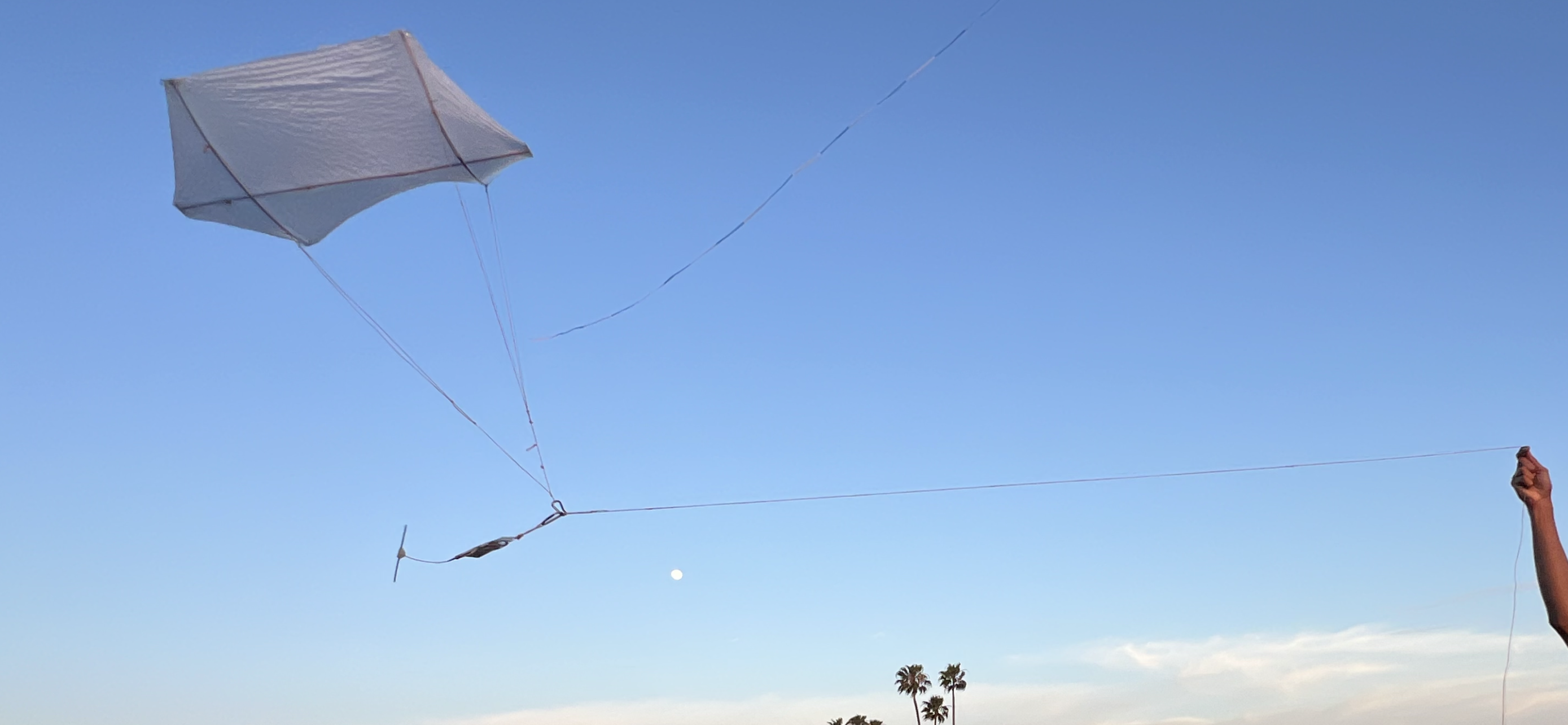
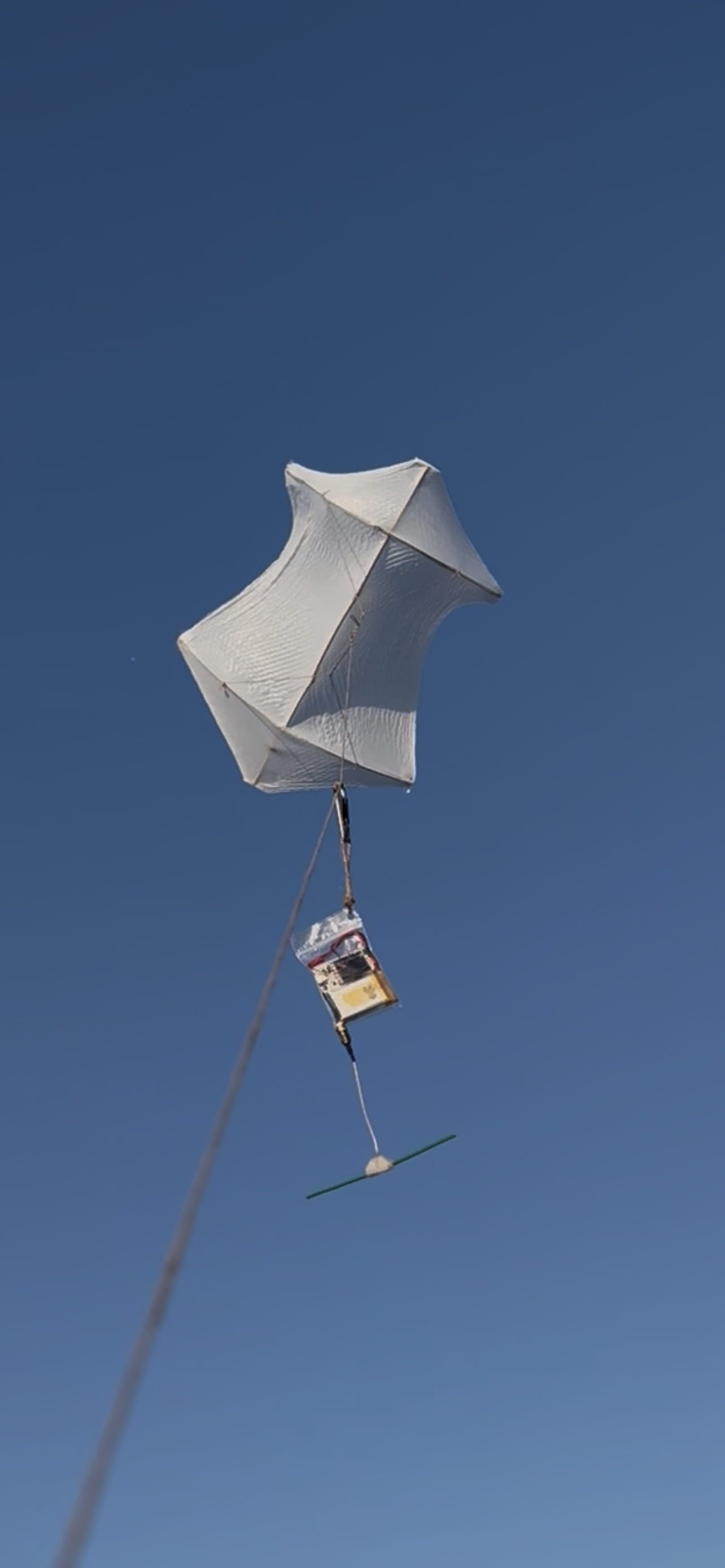
Kite Node uses the magic of physics and engineering to quickly send LoRa devices (or anything else) soaring into the sky with the help of a steady breeze (and keep them there)!
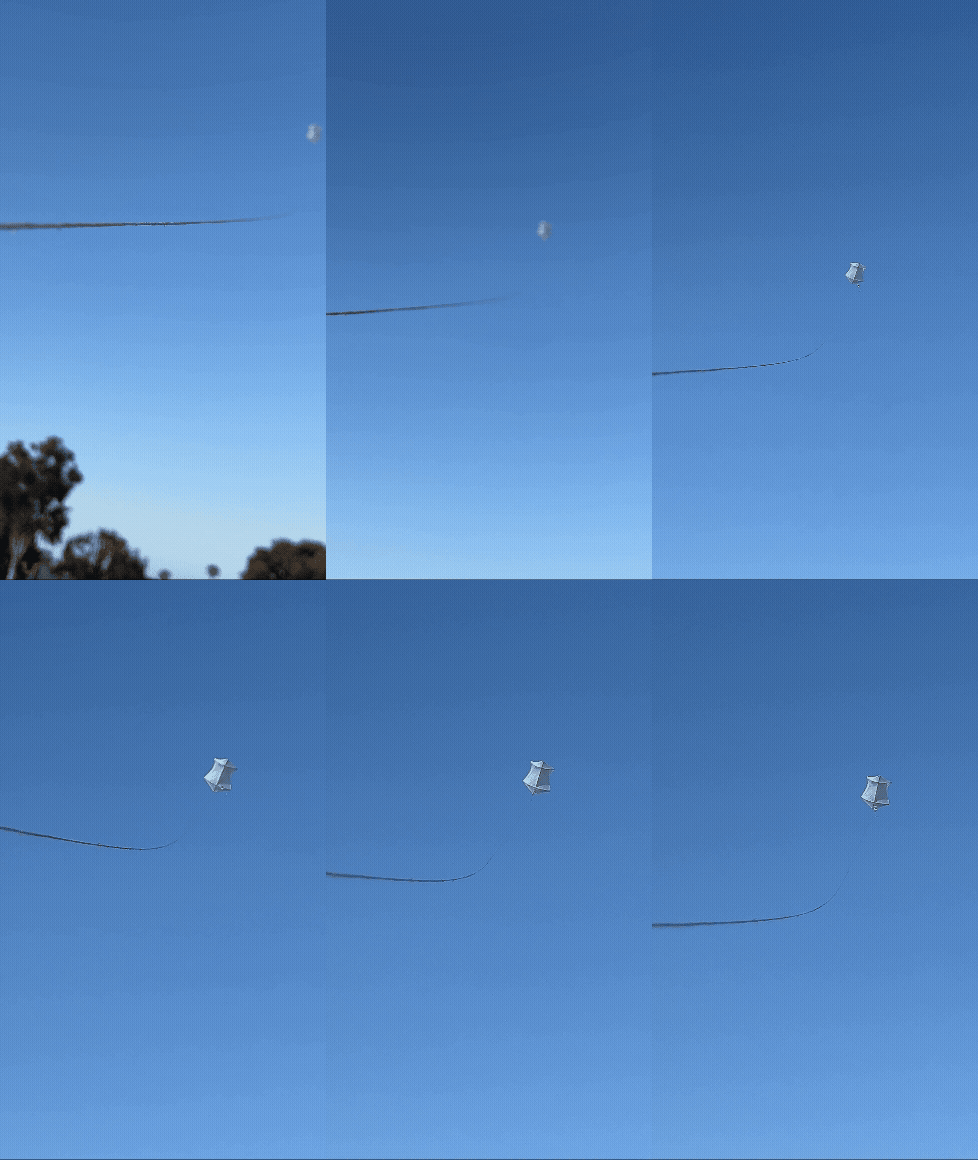
Kite Node is built with a handmade kite made from natural and repurposed materials, and is part of an ongoing art/research project.
Currently the focus is on the engineering/design/prototyping part of things. Kite Node is a blank canvas for expressing many different artistic and design languages!
It’s a place-based tool that teaches communities decentralized communication skills they can apply locally.
Advantages of DIY Kite Design
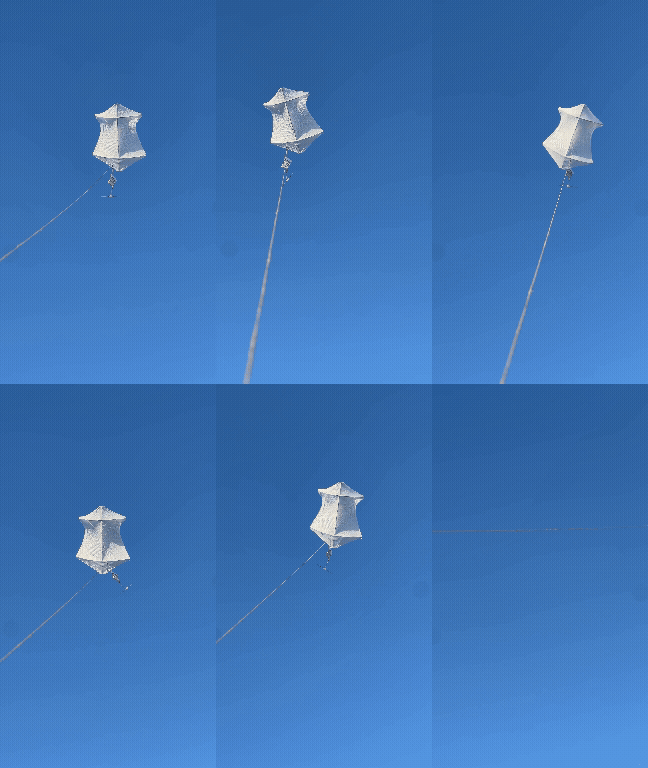
Kite Node uses a handmade kite, constructed with readily accessible, natural and reused/repurposed materials.
- lifts devices with no electricity
- once airborne in windy areas, kites can fly for hours, or even days , continuously
- simple, replicable design
- can be made of sticks, trashbags, and hemp twine
Rokkaku Kite
This iteration of Kite Node is based on a Japanese rokkaku design with a traditional hexagonal shape.
- extremely stable in variety of conditions with no tail
- can be tethered and left to fly on it’s own for extended periods of time
- 3 piece frame, and different materials can be swapped out
- adjustable 4 point bridle
- self measuring: all of the parts can be measured with string, as ratios of the length of the central beam
- rokkaku kites are commonly used in kite aerial photography because of their ability to gently lift equipment into the sky, and hold a stable position
So the idea is that, if there’s wind, you can look around yourself and find three sticks, a sail, and some string to lift a LoRa device high into the air to greatly increase it’s range.
You can then leave the Kite Node airborne while you send/receive messages, before reeling it in.
Place-Based
- kites can only fly to send/receive messages during parts of the day that have wind, so communication flows with the natural daily cycles of the wind.
- Kite Node is especially suitable for areas that get reliable wind (coasts, plains/grasslands, deserts)
- could also be used on boats
- also works tethered to a rooftop, treetop or mast
- creates the most advantage in a flat terrain, but really anywhere with good wind
For example:
If a family is traveling by sailboat, they’re likely to find suitable winds along the way, and so could deploy a Kite Node at different points during their journey, finding themselves in places with reliable wind during almost the entire trip.
The same could be said of a family that is moving up a coast, or across plains, depending on the weather. The wind is there more often than we might expect.
Next Steps
This is an ongoing project, still in early phases. Updates about Kite Node’s development will be posted here as the project continues.
Plans for this page include:
- sharing more about the inspiration behind Kite Node
- adding links
- adding schematics
- adding full list of build materials
- attending a kite festival to continue tests!
- modifying kite design and materials, for both the frame and the sail
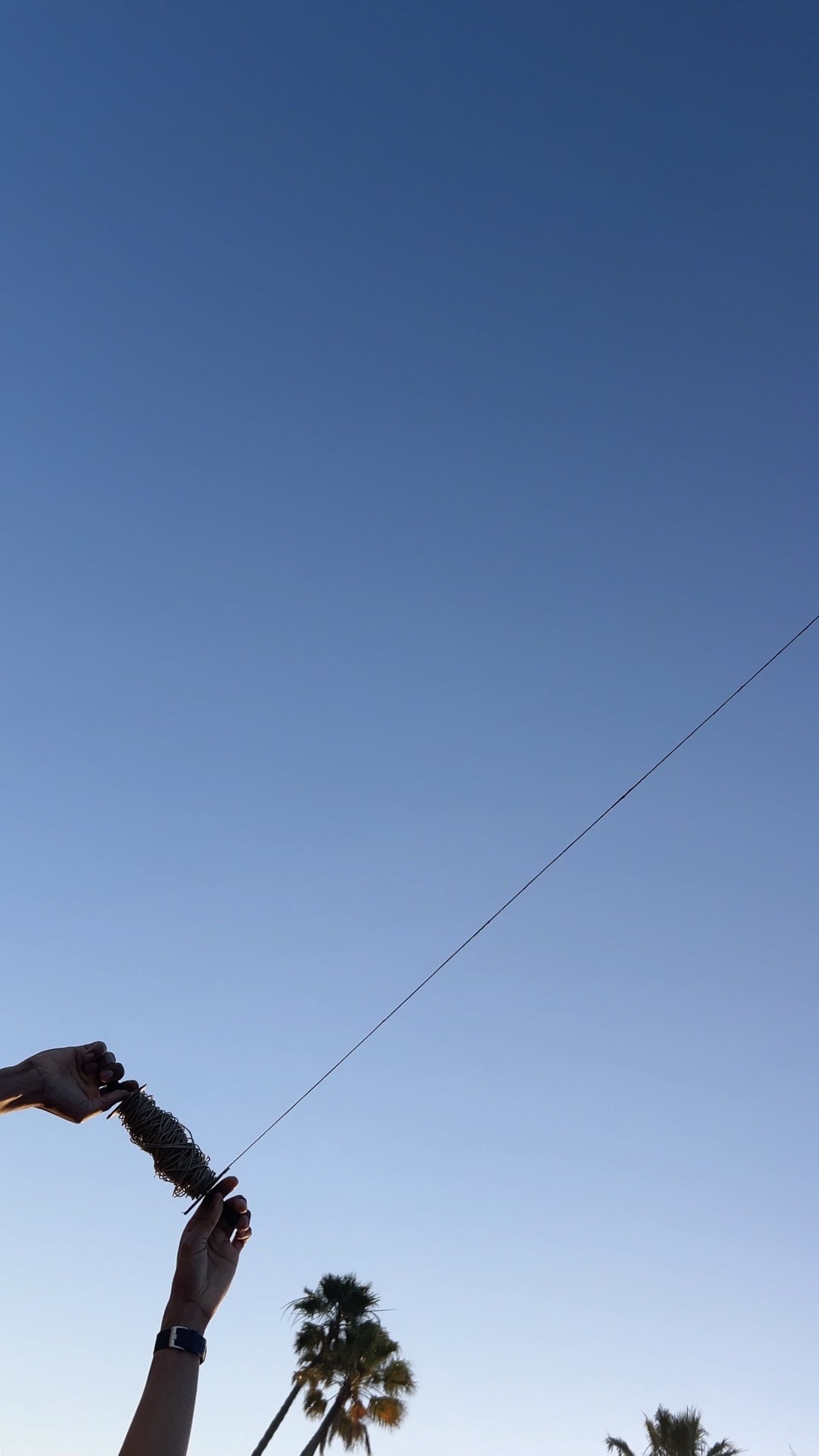
- making a new DIY spool (the old one was made of balsa wood, and broke)